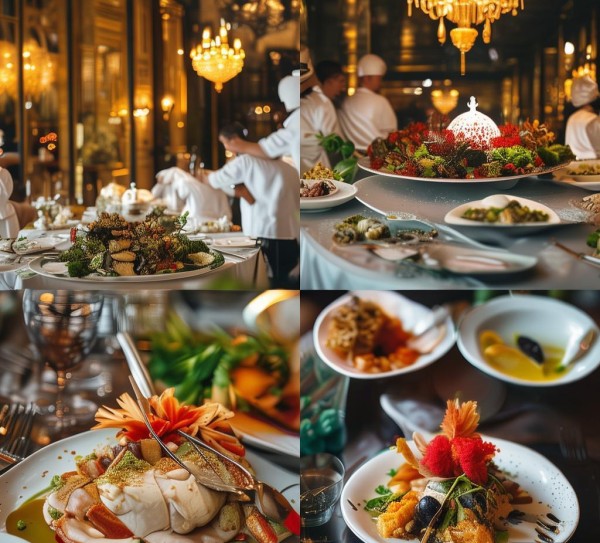

Warehouse management plays a pivotal role in the operations of the hotel and restaurant industry, ensuring efficient storage, retrieval, and cost optimization. Key aspects include designing and layout of warehouses to meet specific storage requirements, implementing robust inventory management systems to control stock levels, leveraging technology for predictive analytics and automation, and fostering collaboration between different departments to streamline operations. Warehouse management is crucial for supporting the overall supply chain, from product sourcing to customer service, ensuring a smooth flow of goods and services. Continuous improvement in warehouse practices is essential to maintain operational efficiency and adapt to market demands.
在当今餐饮行业,仓库管理已经成为一项关键的业务管理环节,从采购食材到存放货物,从库存控制到物流配送,每个环节都需要 meticulous的管理才能确保 dishes的品质和 customer的体验,酒店餐饮仓库管理不仅是对货物的存储管理,更是对经营效率和 customer满意度的直接体现,本文将探讨仓库管理在酒店餐饮业中的重要性及其有效管理方法。
仓库管理是酒店餐饮业中的关键环节之一,它不仅关系到货物的存储状态,还直接影响到 dishes的供应、库存周转率和 customer的满意度,仓库管理的成功与否,直接影响到企业的运营效率和市场竞争力。
仓库管理是酒店餐饮业运营的重要环节,对企业的运营效率和 customer体验具有深远影响,通过科学的仓库管理,企业可以显著提高货物的存储效率和周转率,降低库存成本,同时提升 dishes的供应质量。
仓库管理能够确保货物的供应质量,通过科学的存储策略,企业可以避免因货物损坏或损坏导致 dishes的使用,从而提高 dishes的供应质量,满足 customer的需求。
仓库管理能够降低 customer的等待时间,提高 dishes的供应效率,从而提升 customer的满意度,通过优化货物的存储策略,企业可以减少 customer的等待时间,提高 dishes的供应速度。
仓库管理能够显著提高企业的运营效率,通过科学的货物存储策略,企业可以减少运输费用,降低库存成本,同时提升 dishes的供应效率,从而提高企业的整体运营效率。
仓库管理是酒店餐饮业中的关键环节之一,对于企业的运营效率和 customer体验具有重要意义,通过科学的货物分类和存储策略,企业可以显著提高货物的存储效率和周转率,降低库存成本,同时提升 dishes的供应质量,从而提升 customer的满意度和企业运营效率,随着物联网技术的普及和数据分析能力的提升,仓库管理将变得更加智能化和高效,为企业创造更大的价值。